
Maximizing Efficiency
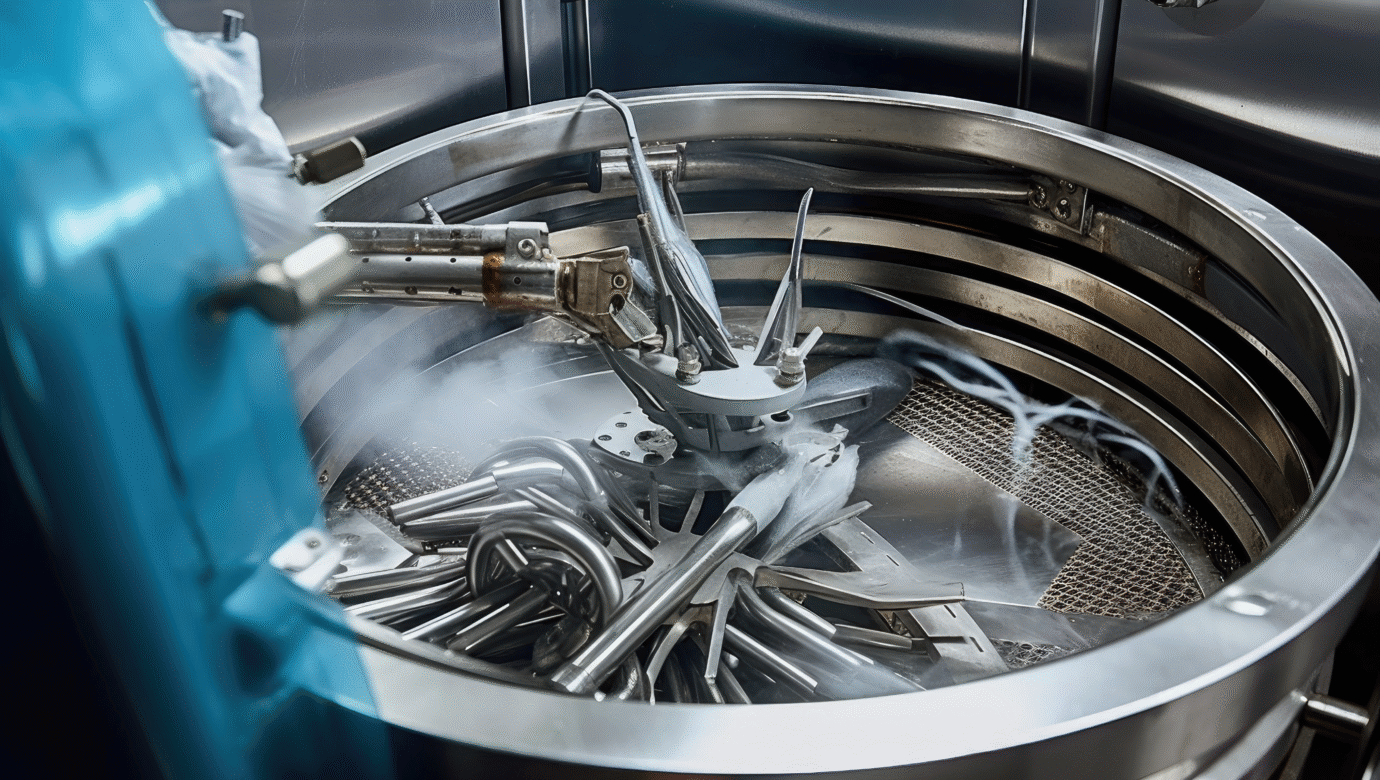
Centrifuges have revolutionized sample preparation by providing a fast, efficient, and precise way to separate components based on their densities. In research laboratories, medical facilities, and industrial applications, centrifuges are indispensable tools for isolating specific molecules, cells, or particles from complex mixtures. The process relies on the principle of centrifugal force, which accelerates the separation of substances when a sample is spun at high speeds. This technology has significantly improved the accuracy of diagnostic procedures by enabling the preparation of high-purity samples for analysis. For instance, in the medical field, centrifuges are crucial for separating plasma or serum from whole blood, facilitating more reliable testing and quicker results. Similarly, in molecular biology, they allow scientists to extract DNA, RNA, and proteins with minimal contamination, paving the way for groundbreaking research. Beyond the lab, centrifuges play a pivotal role in industries like food production, where they help refine oils, and in wastewater treatment, where they assist in removing impurities. Recent advancements in centrifuge technology, including improved rotor designs, automated controls, and enhanced safety features, have further expanded their applications and efficiency. Compact and energy-efficient models have made this technology accessible to smaller labs and clinics, democratizing high-quality sample preparation. Additionally, high-speed and ultracentrifuges have enabled the study of nanoparticles and macromolecules at unprecedented levels of detail. By streamlining workflows and ensuring consistent results, centrifuges not only save time but also enhance the reliability of scientific and industrial processes. Their contribution to modern science and industry underscores their status as a cornerstone of innovation in sample preparation.
Advancing Medical Diagnostics
Centrifuges have become essential in medical diagnostics, where accurate and timely results are critical for patient care. By efficiently separating blood components, such as plasma, serum, and red blood cells, centrifuges enable laboratories to analyze samples with unparalleled precision. This separation ensures that diagnostic tests, from basic glucose levels to complex hormone assays, are conducted on high-quality samples, reducing the likelihood of errors. Centrifuges have also contributed to the rapid growth of personalized medicine by facilitating the preparation of patient-specific samples for genetic and biomarker analysis, ultimately improving treatment outcomes.
Enhancing Industrial Efficiency
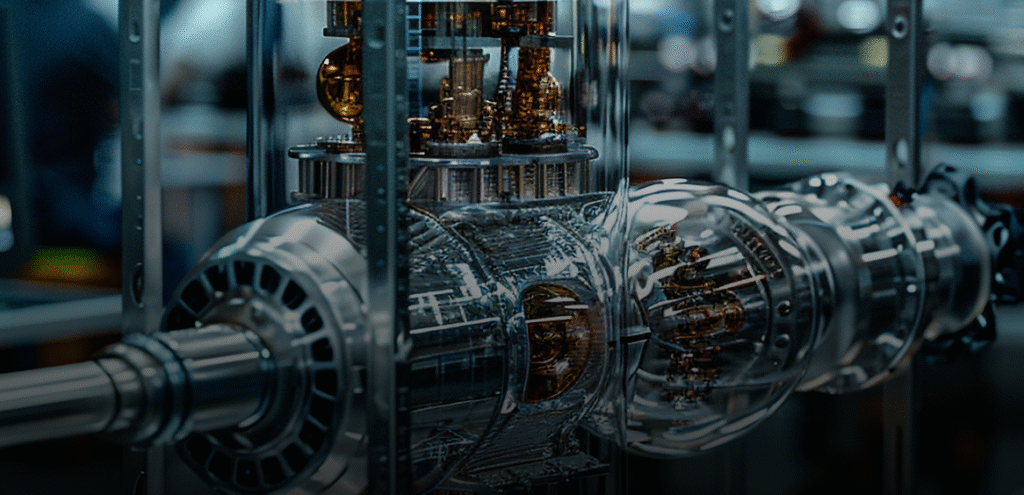
Beyond laboratories, centrifuges have revolutionized various industrial processes by enhancing productivity and product quality. In the food and beverage industry, they play a crucial role in refining oils, clarifying juices, and separating solids from liquids, ensuring consistency and safety in consumer products. In the pharmaceutical sector, centrifuges are used to purify drugs and vaccines, meeting strict regulatory standards. Additionally, environmental applications, such as wastewater treatment, rely on centrifuges to separate contaminants and recover reusable resources, promoting sustainability and cost savings for municipalities and industries alike.
Fueling Scientific Discovery
Centrifuge technology has been instrumental in propelling scientific discovery across multiple disciplines. In molecular biology, ultracentrifuges enable researchers to isolate and study subcellular components, such as organelles and viruses, with incredible accuracy. This capability has expanded our understanding of cellular mechanisms and disease pathways. In physics and materials science, centrifuges allow scientists to simulate high-gravity environments, opening new avenues for research into particle behavior and advanced materials. As these technologies continue to evolve, centrifuges remain at the forefront of innovation, supporting the next generation of breakthroughs.